
With an investment of R$ 7 million, BV Lab is the result of an unprecedented public-private partnership for the State University of Santa Catarina. As a result, it creates a strategic environment for research and innovation applied to the agro-industrial sector.
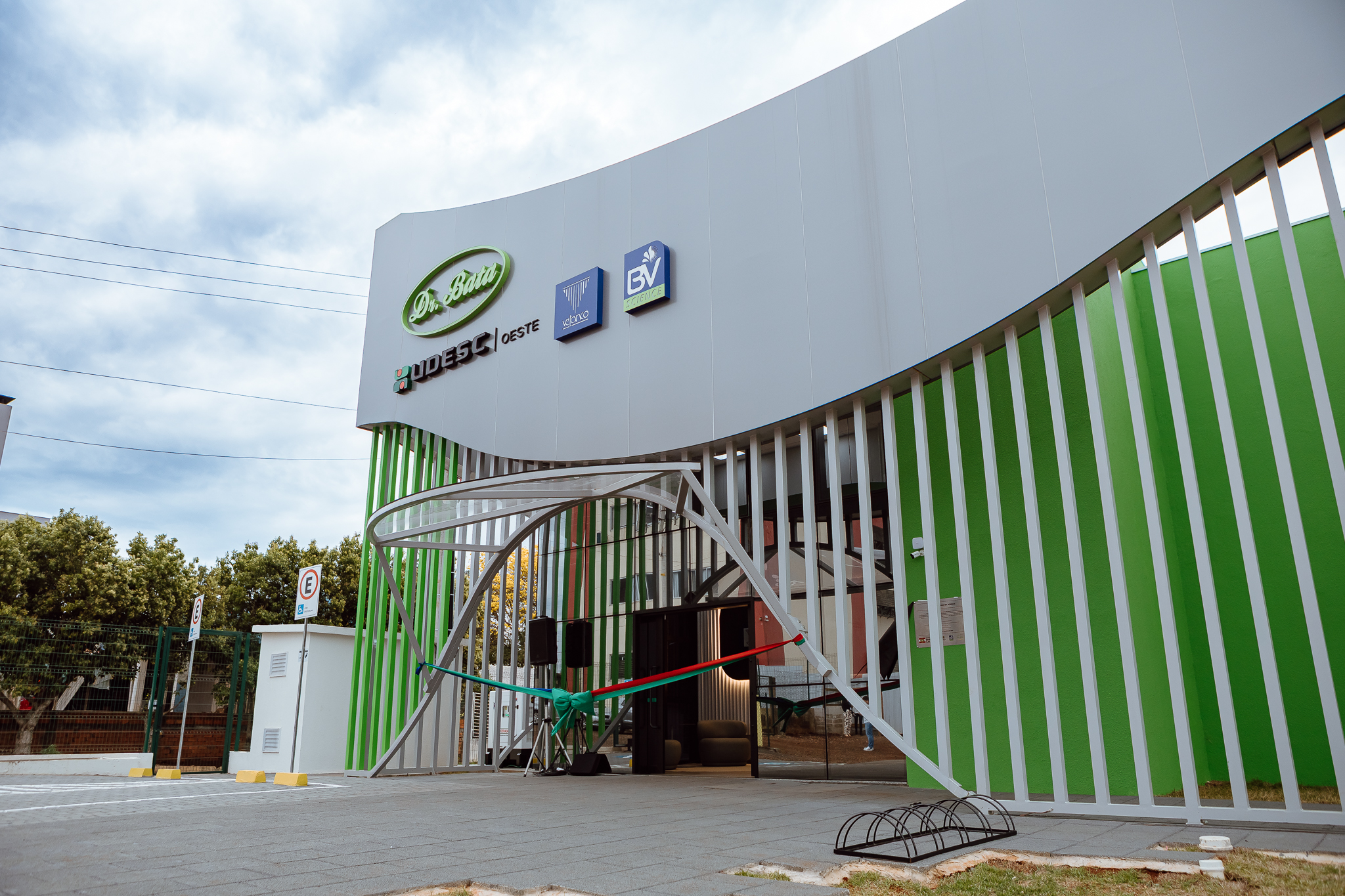
Chapecó, Santa Catarina, Brazil, 3 August 2026. Vetanco and Dr. Bata, internationally recognised companies in animal health, have opened BV Lab in Chapecó, Santa Catarina. This facility is one of the most advanced laboratory facilities in Latin America for the high-precision analysis of inputs and products used in animal production.
The new facility was developed following an investment of approximately R$ 7 million by Vetanco and Dr. Bata. Furthermore, it is the result of a public-private partnership with the State University of Santa Catarina (UDESC), which provided the land located at the Western Higher Education Centre. The university will use the facilities for undergraduate activities – including undergraduate research programmes – and postgraduate programmes, such as master’s and doctoral degrees.
Covering 343 m² across eight laboratories, BV Lab brings together research and development, quality control and diagnostic activities. In addition, the facility is equipped with technologies for carrying out microbiological, chromatographic, immunological and molecular analyses. These tools enable the identification of microorganisms, the detection of mycotoxins in food and feed, and the performance of physico-chemical tests focused on animal nutrition.
Therefore, the aim is to provide highly specialised scientific support to the animal production chain, contributing to technological development, the training of professionals and the transfer of knowledge to the market.
A strategic partnership for animal protein production
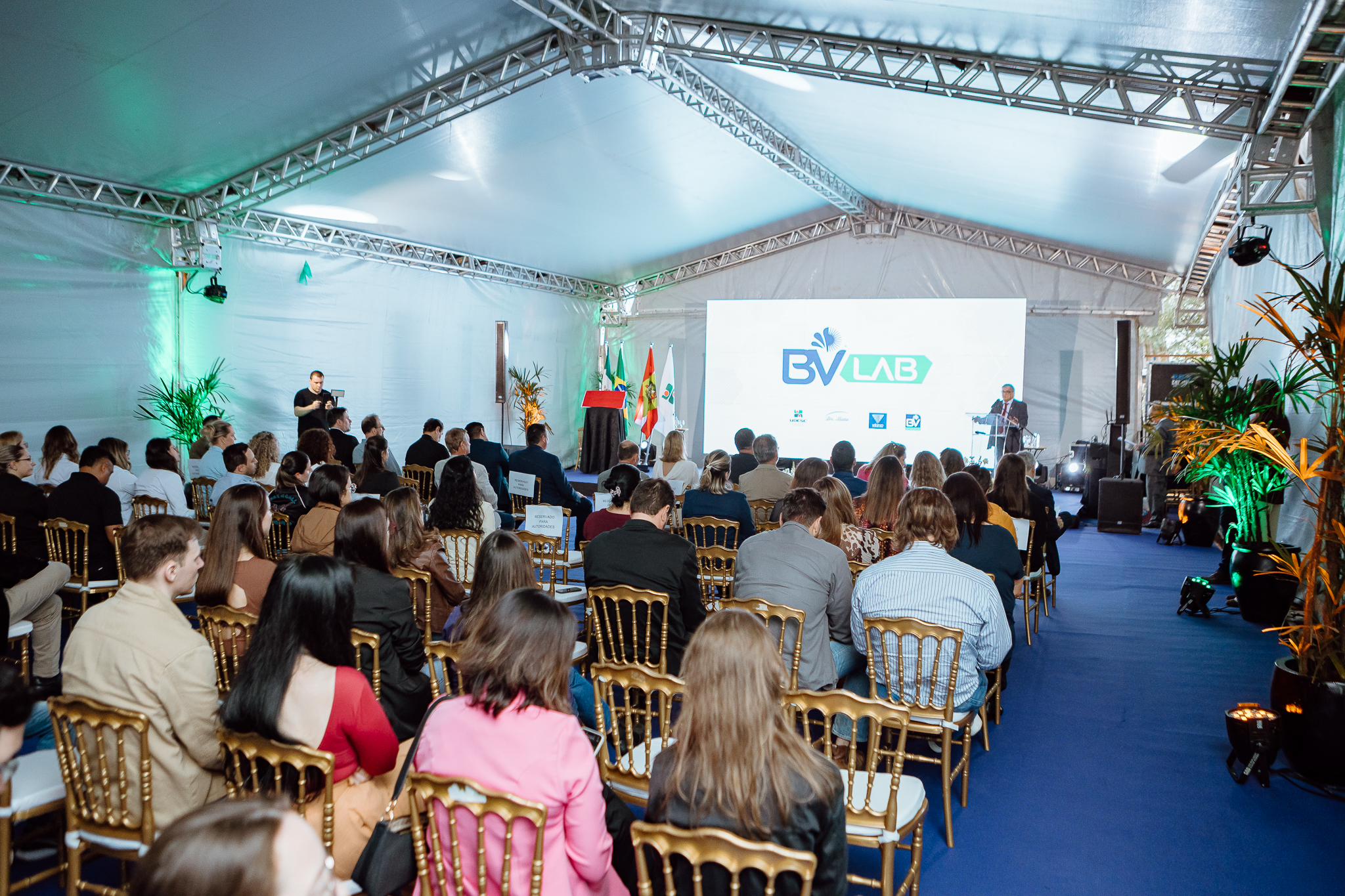
“Vetanco has been operating in Brazil for 25 years and, from the outset, it was clear that the country had the potential to make its mark in the world’s highest-quality animal protein markets and that it possessed scientific excellence and highly qualified professionals. We decided to invest here and help the production chains bring the highest-quality Brazilian proteins to the rest of the world,” said Vetanco’s Vice-President, Horacio Mancini.
The executive also highlighted the impact the new infrastructure will have on both industry and academia:
“We are launching a project featuring state-of-the-art technology, with enormous potential to support our clients whilst also broadening students’ academic experience.”
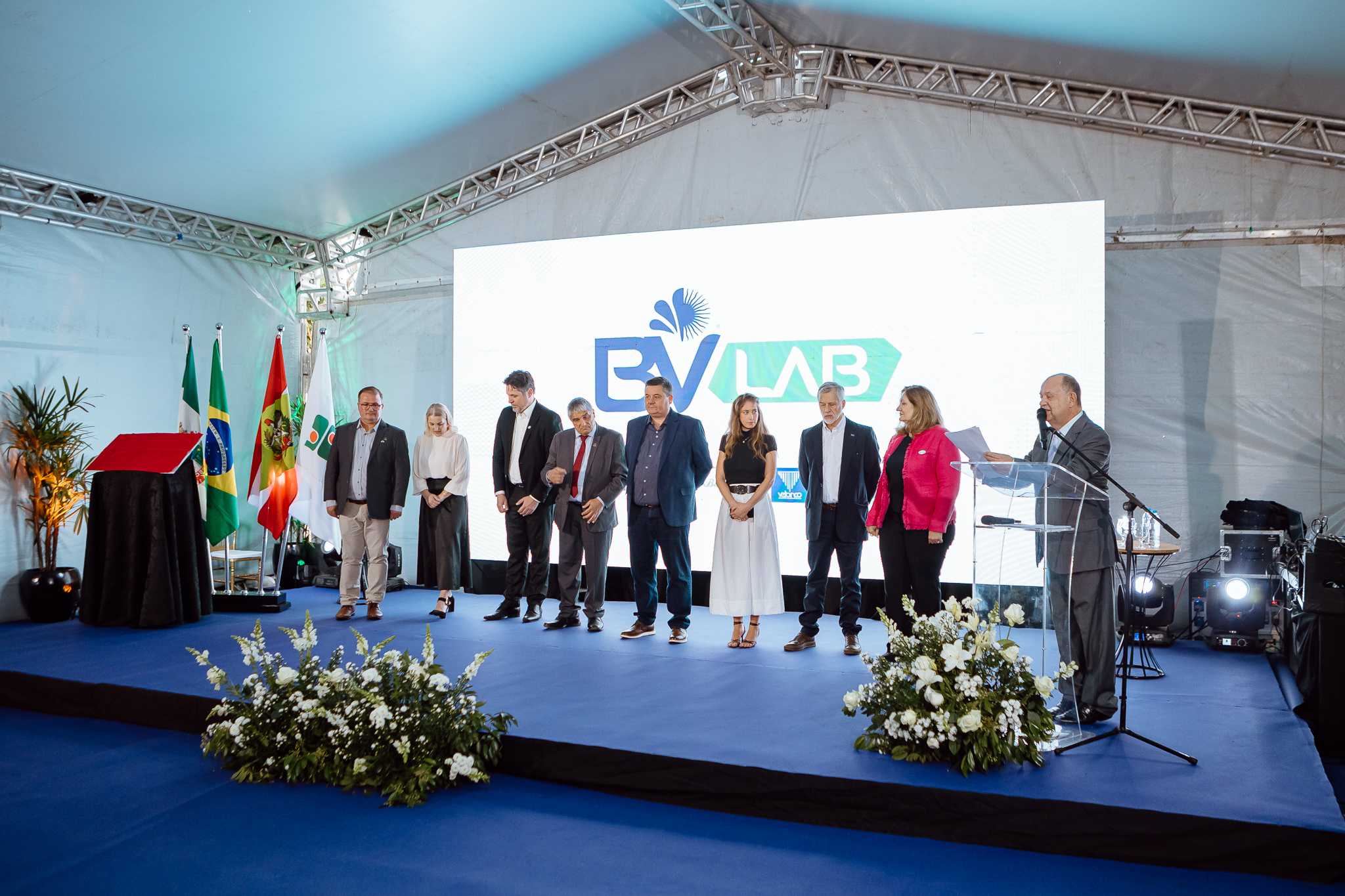
For Melinda Váradi, Director of Operations at Dr. Bata, BV Lab represents the latest outcome of a partnership built up over decades and based on shared values.
“Our history is built on trust, shared values and the certainty that, together, we can always achieve more. The latest result of this collaboration is BV Lab. This is where the development of new products designed specifically for the Brazilian market begins,” she said.
In addition, Váradi highlighted the potential of the partnership for the academic community and the region:
“I am convinced that many researchers and professionals will benefit from this collaboration with the university and will generate excellent results for the academic community, Chapecó and the whole state.”
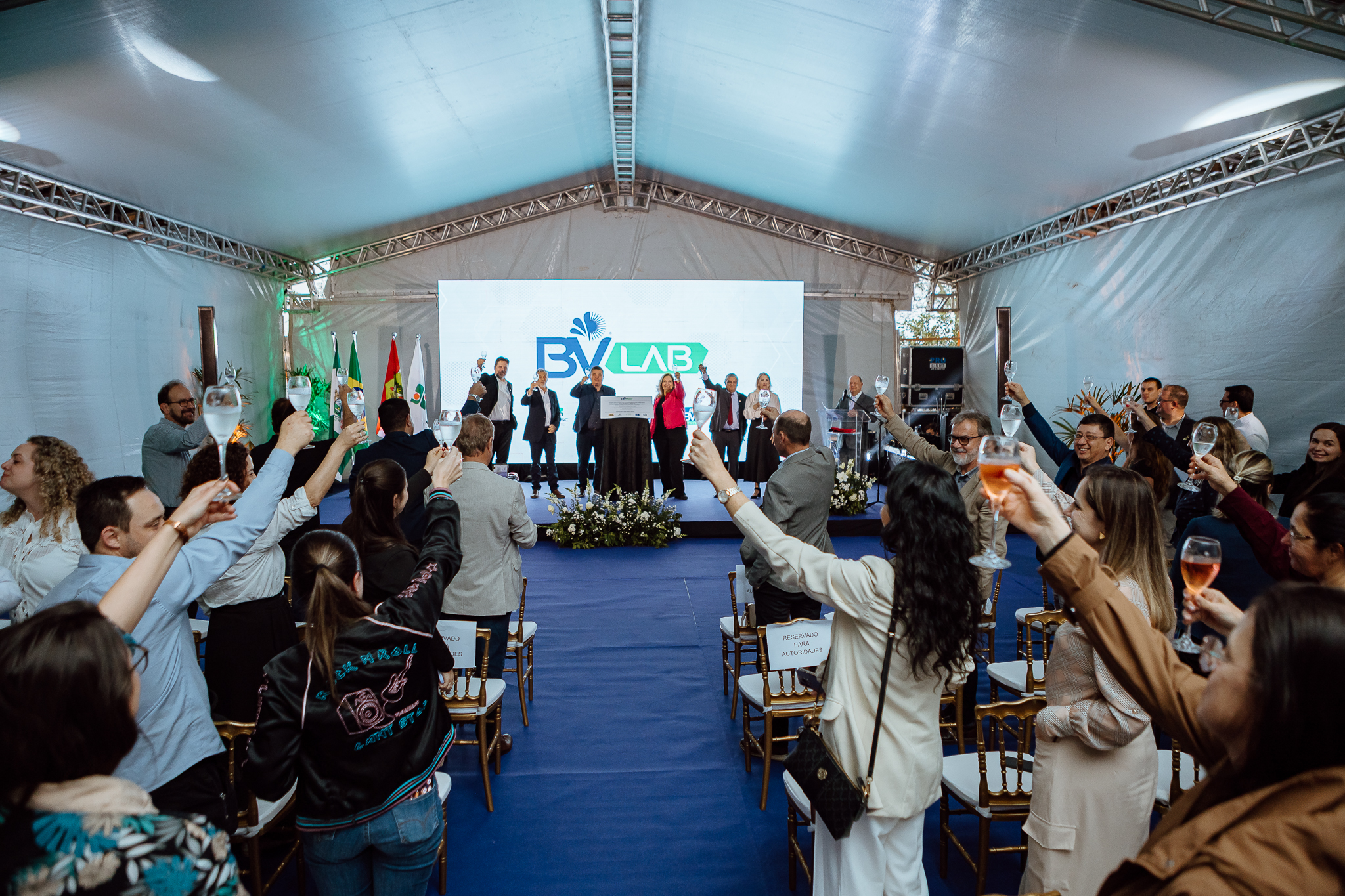
The Vice-Chancellor of UDESC, José Fernando Fragalli, highlighted the pioneering nature of the initiative, which marks the university’s first public-private partnership of this kind.
“The public-private partnership that has given rise to this project is a first for UDESC. Therefore, all of us – Vetanco, Dr. Bata and UDESC – are at the forefront. This milestone marks a paradigm shift for us and represents an immeasurable benefit for the city, as it provides Chapecó with a very solid technological foundation for the businesses and human resources that will be generated from here,” he said.
Furthermore, Fragalli highlighted the international nature of the partnership. Consequently, it links Brazil with companies whose home markets have a significant international presence, such as Argentina—where Vetanco’s global headquarters are located—and Hungary, home to Dr. Bata’s headquarters.
A structure designed for the future
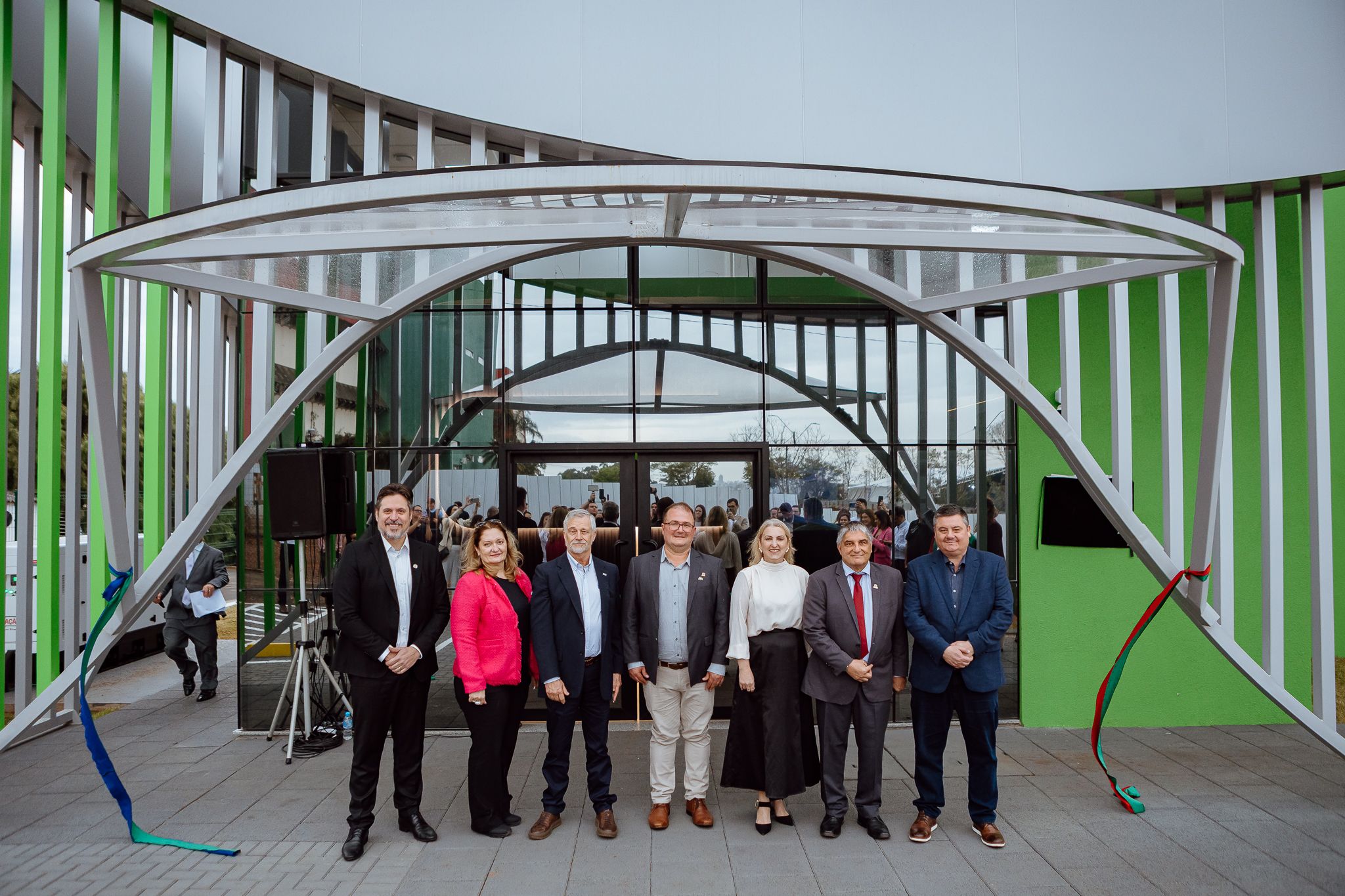
BV Lab is headed by Animal Scientist Marcel Manente Boiago, who holds a master’s degree and a PhD in Animal Science from the State University of São Paulo (Unesp) and has been a lecturer at UDESC for over ten years. Boiago has been involved from the outset in the collaboration between the university, Vetanco and Dr. Bata, which culminated in the creation of the laboratory.
A specialist in poultry farming, he recalls that the history of this partnership dates back to 2014, when UDESC’s experimental farm in Chapecó was still a simple facility.
“BV Lab has its origins in that facility located at the rear of the campus’s main building, opposite the entrance to the new laboratory: a simple but effective aviary. In the past, we did not have facilities at the experimental farm, and it was there that we carried out a safety test on one of Vetanco’s products, which was registered with the Ministry of Agriculture and Livestock. Following that initial contact, many other product tests were carried out, which has strengthened this important professional relationship,” said Boiago.
The cooperation continued to develop over the following years. In 2020, Vetanco invested in the construction of an experimental aviary for broiler chickens, as well as the water supply network for the farm and the pig sector.
In 2021, the proposal to launch the laboratory emerged. This project gradually took shape until the inauguration of BV Lab.
“I am delighted to see how such a solid project, developed with such care and dedication, has moved from the drawing board to reality, taking the form of a modern and fully equipped laboratory facility that will be of great benefit to science both in Brazil and around the world,” said Boiago.
Technology applied to the challenges of the agro-industrial sector
The Technical Manager and Laboratory Technician at BV Lab is Bruna Klein, who was recruited by Dr. Bata Brasil. She holds a bachelor’s degree in Food Technology, as well as a master’s degree and a PhD in the same field from the Federal University of Santa Maria (UFSM).
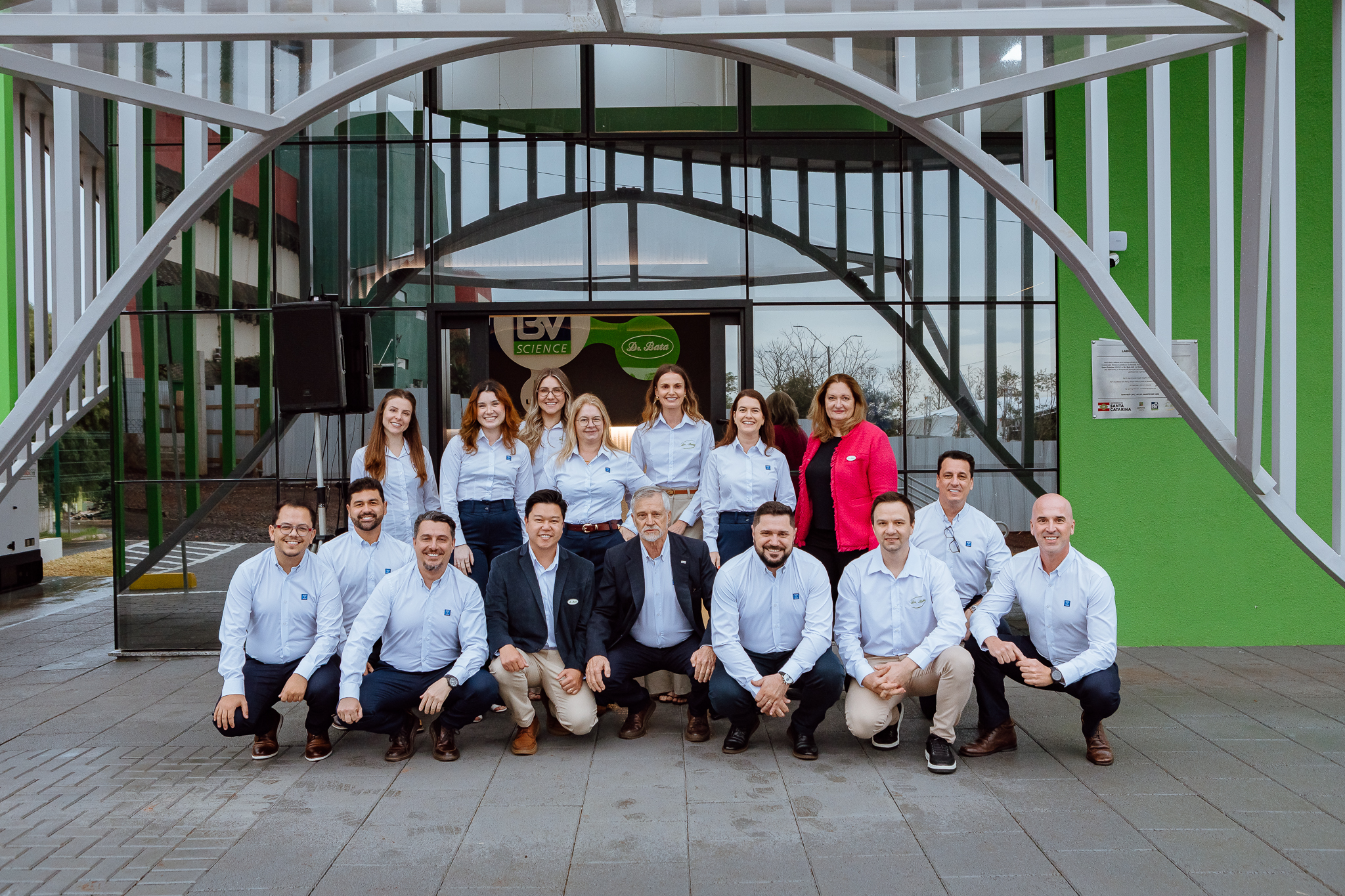
For Klein, BV Lab represents a new level of integration between research, technology and analytical services. Thus, it brings together resources capable of transforming scientific knowledge into solutions for an increasingly demanding market and contributing to the future of animal production.
“Here we will carry out essential analyses for product quality control, such as the quantification of protein, moisture and ash content. We also have well-established technologies for the analysis of mycotoxins and an integrated molecular biology workflow, which begins with the extraction of DNA from microorganisms and enables their precise identification,” she explained.
Finally, the specialist highlighted the standard of the infrastructure and its international reach:
“BV Lab has one of the most advanced laboratory infrastructures in Latin America, and we are in the process of obtaining international certifications to expand our capacity to generate results and, consequently, to solve the problems facing the agro-industrial sector.”